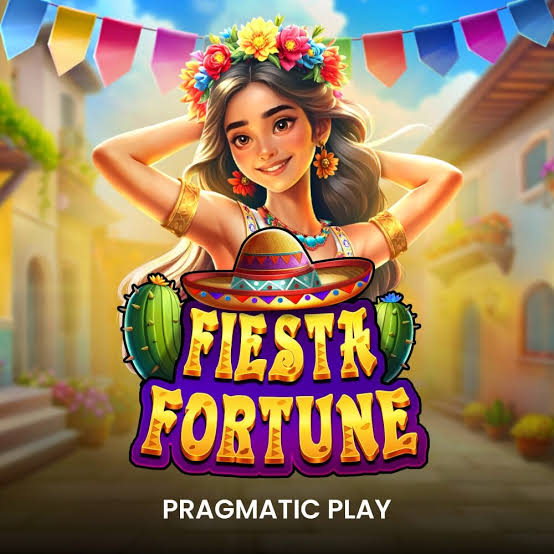

Festival aesthetics make a slot feel familiar by tapping into shared cultural memories that players carry long before they open any game. When a slot uses imagery like red lanterns, gold coins, or fireworks, it is not just decorating reels — it is borrowing emotional associations that already live in the player’s memory. This article will explore what “familiarity design” means in slot development, which festival symbols carry the strongest recognition, how cultural memory affects player connection, and why this approach has become a global design strategy.
What Is “Familiarity Design” and Why Do Game Developers Use It?
“Familiarity design” is the deliberate use of symbols, colors, and imagery that audiences already associate with positive emotions — without needing to explain them. Instead of building a new world for players to learn, the game borrows a world they already know.
A slot like FuLaiCaiLai applies this directly. Its name draws from three Chinese prosperity concepts, each carrying generations of cultural meaning:
- Fu (福) — happiness, blessings, and good fortune; one of the most recognized symbols in Chinese culture
- Lai (来) — the arrival of luck and opportunity; associated with welcoming abundance into one’s life
- Cai (财) — wealth and prosperity; a concept deeply tied to festival celebrations and New Year traditions
Players who recognize these concepts need no explanation. The symbols communicate meaning instantly — and that instant recognition is exactly what familiarity design is engineered to create.
Which Festival Symbols Create the Strongest Emotional Recognition?
Not all festival symbols carry equal emotional weight. The most effective ones are tied to specific rituals, annual celebrations, or physical objects that players have personally encountered — not just seen in media.
Here are the festival symbols most commonly used in slot design and why each one resonates:
- Red envelopes (hongbao) — associated with gifting, luck, and celebration during Chinese New Year; they carry a direct emotional link to receiving something good
- Fireworks — universally tied to celebration and the marking of a significant moment; visually dynamic and emotionally uplifting
- Red lanterns — signal festivity, warmth, and community gathering; widely used in Lunar New Year and Mid-Autumn Festival imagery
- Gold coins and ingots — represent prosperity and abundance; their shape and color are immediately recognizable as symbols of wealth
- Drums and cymbals — tied to the energy of festival processions; even as visual elements, they imply movement, excitement, and arrival
- The color red — in Chinese and many Southeast Asian cultures, red signals luck, joy, and protection; its presence alone sets a festive emotional tone
Each of these symbols works because it is not invented. It is borrowed directly from lived experience, which is what makes it feel personal rather than generic.
How Does Shared Cultural Memory Shape the Way Players Connect With a Game?
Shared cultural memory refers to the symbols, rituals, and stories that a group recognizes and emotionally responds to in the same way. When a slot draws from that memory, it creates instant recognition that novelty-driven design simply cannot replicate.
For Filipino players, prosperity symbols like Fu, Cai, and Lai are far from foreign.
They show up in everyday life in ways that feel personal and familiar:
- At Chinese New Year celebrations in malls, streets, and family homes
- On restaurant decorations, storefronts, and community events
- In household ornaments and gifts passed down through generations
- In seasonal traditions that blend Chinese and Filipino cultural observance
When these same symbols appear in a slot game, the player’s reaction is not “what is this?” — it is “I know exactly what this means.” That recognition shortens the emotional distance between a player and a game significantly, making engagement feel natural rather than learned.
What Happens to Player Engagement When a Theme Feels Personally Relevant?
When a slot theme feels personally relevant, the player’s engagement shifts from passive observation to active recognition. Instead of processing the visuals as decoration, the player experiences them as meaningful — and that shift changes how they interact with the game throughout a session.
Personal relevance creates several distinct effects on the playing experience:
- Faster emotional onboarding — players feel comfortable in the game’s environment immediately, without needing a warm-up period to understand the visual world
- Stronger attention to bonus events — when a red envelope appears during a bonus round, it carries cultural significance that a generic scatter symbol does not
- Increased session satisfaction — themed games tend to feel more enjoyable even when the underlying mechanics are similar to less-themed alternatives
- A sense of celebration woven into gameplay — festival-themed slots do not just look festive; they make the act of playing feel like participating in something meaningful
None of these effects change the odds of any spin. The game is still based on chance. But the experience of playing feels richer when the theme connects to something the player already values.
If a Slot Game Feels Like Home, Does It Even Feel Like Gambling Anymore?
That tension is exactly what festival-themed slot design is built around. When a game uses imagery tied to family celebrations, cultural traditions, and shared moments of joy, it shifts the emotional context of the experience without changing the mechanics underneath.
For players curious about this genre, festival-themed slots are widely available on licensed online gaming platforms in the Philippines. Top up a comfortable amount, explore what the theme means to you personally, and notice how the visual design shapes your session — not just whether you win or lose. The most effective festival-themed games are the ones built with a specific cultural context in mind, because that specificity is exactly what makes them feel less like a product and more like a familiar celebration.